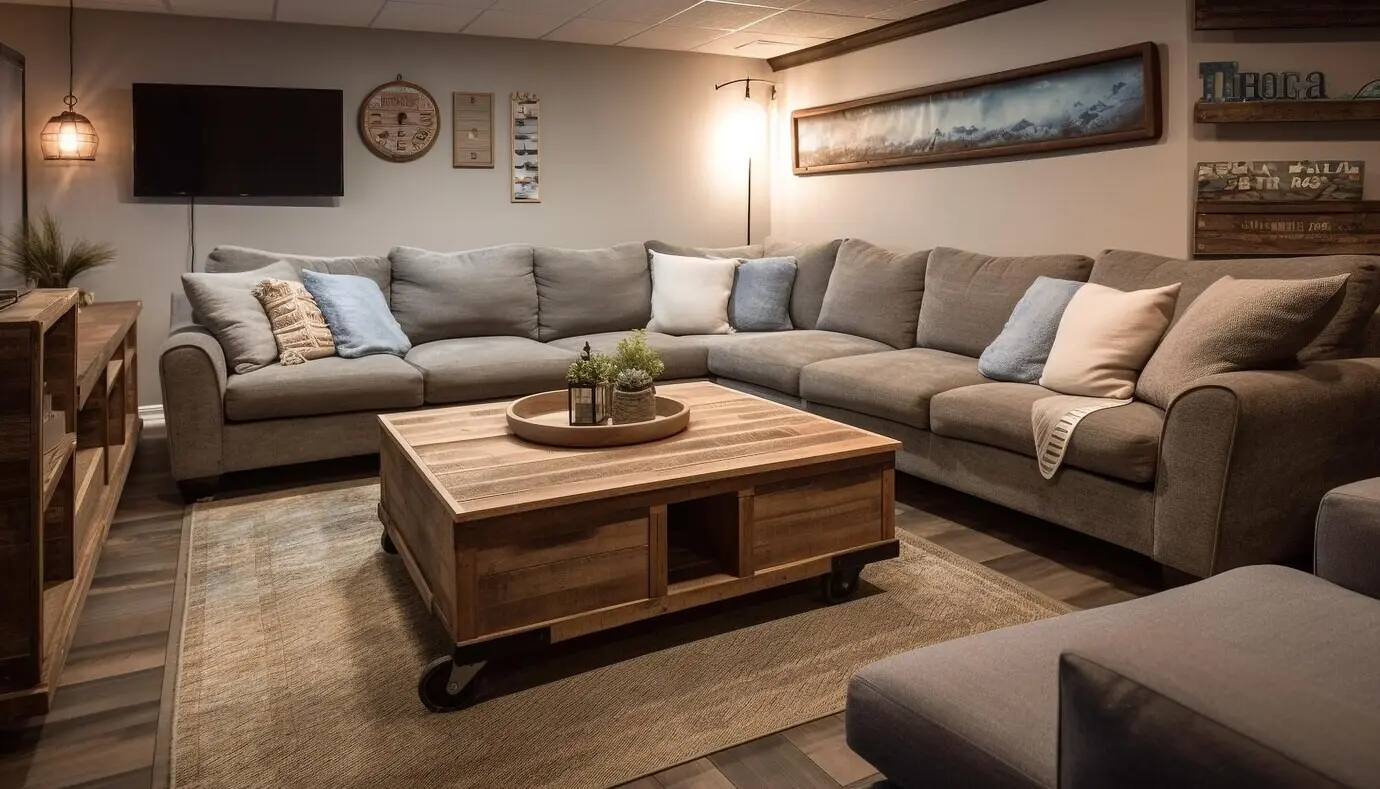
Quiet Glow, Lasting Comfort

Our focus today is soft lighting strategies to create a refined, low-key ambience, turning stark glare into welcoming calm without losing clarity. We will layer ambient, task, and accent sources, refine color temperature and diffusion, and share controls, materials, and stories you can apply tonight. Leave a comment with your trickiest corner or subscribe for upcoming room-by-room guides, because small adjustments can transform conversation, rest, and the feeling of home.

Color Temperature and Mood

Warm ranges between 2200K and 3000K settle the nervous system, flattering skin while keeping materials rich. Use 2700K for evenings, 3000K for multitasking, and ensure a high color rendering index, ideally 90 or above, so wood, textiles, and art remain truthful. Mix carefully; too many temperatures muddy the scene, while consistent warmth feels intimate yet clear.

Brightness and Contrast That Calm

Think in gradients, not peaks. Aim for gentle ratios where focal surfaces sit brighter than surrounding planes, yet never blare. A common guide is a comfortable 1:3:10 relationship between ambient, task, and accent, softened by bounce and shade. When the brightest point isn’t a bare bulb but a textured surface, conversation floats, and eyes stop straining.

Diffusion That Feels Like Air

Shades, frosted glass, opal diffusers, and parchment soften diodes into wide, velvety pools. Layer diffusion with distance: a translucent shade, space for mixing, and a reflective wall to finish the blend. Microprismatic lenses tame glare while preserving output, and fabric or rice paper adds a human, tactile hush that hard acrylic alone cannot deliver.

Layering Without Visual Noise
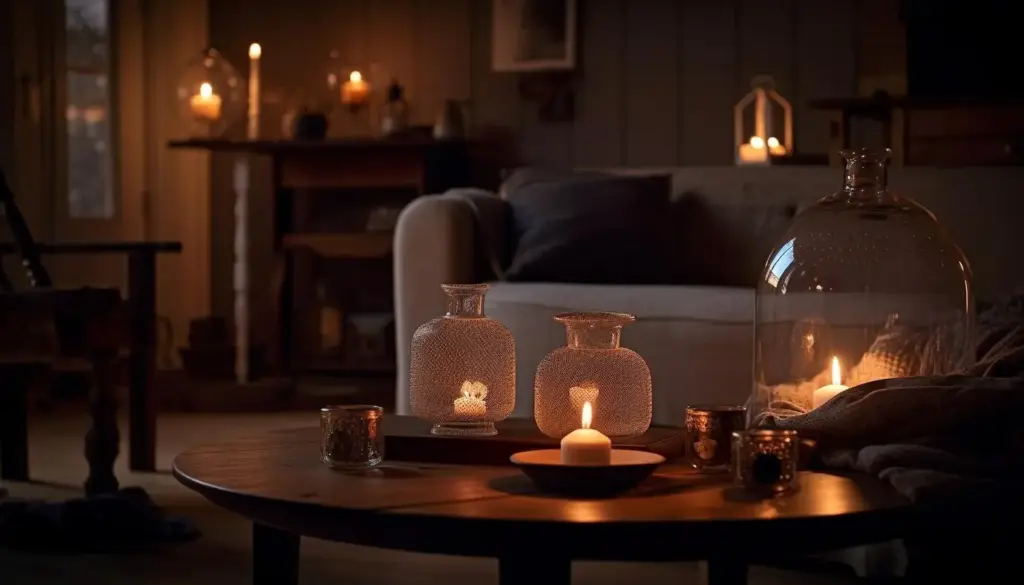
Ambient as the Quiet Canvas

Use coves, uplights, or perimeter grazers to paint ceilings and upper walls, letting light descend like a sigh. This soft ceiling glow removes harsh downlight shadows that hollow faces. Choose wide beams and matte reflectors to avoid speckle, and keep the base level low, just enough to navigate, so task sources feel intentional rather than corrective.

Task Light That Whispers

Use coves, uplights, or perimeter grazers to paint ceilings and upper walls, letting light descend like a sigh. This soft ceiling glow removes harsh downlight shadows that hollow faces. Choose wide beams and matte reflectors to avoid speckle, and keep the base level low, just enough to navigate, so task sources feel intentional rather than corrective.

Accents That Tell Stories

Use coves, uplights, or perimeter grazers to paint ceilings and upper walls, letting light descend like a sigh. This soft ceiling glow removes harsh downlight shadows that hollow faces. Choose wide beams and matte reflectors to avoid speckle, and keep the base level low, just enough to navigate, so task sources feel intentional rather than corrective.

Materials and Surfaces That Soften Light

Light is a collaboration with matter. Matte paints open the bloom, satin sheens keep clarity, and deep gloss amplifies every bright dot. Choose finishes that welcome glow rather than mirror the source. Textiles, parchment, and opal acrylic act like tiny clouds, blending photons before they touch the eye, while warm woods return a mellow, lived-in radiance.

Textiles, Shades, and Soft Screens

Linen, silk blends, and finely woven cotton filter light into generous halos, while pleated paper and shoji screens create directional softness with artisanal character. Double-layer shades mix diffusion and shape, hiding filament or diode pinpoints. Consider color of fabric liners; ivory lifts warmth, grey cools heat, and natural fibers introduce tiny variations that feel comfortingly human.

Paint, Sheen, and Reflectance

Select eggshell or matte for walls that bounce light broadly without sparkling, and reserve satin for trim needing gentle definition. Lighter reflectance values expand perceived volume with less wattage. Test patches at night; watch how a sconce grazes texture, whether speckle appears, and how shadows fall. Subtle shifts in sheen often calm an entire composition instantly.

Natural Translucence and Crafted Texture

Alabaster, carved wood screens, rattan, and woven cane scatter light through organic irregularities, creating patterns that breathe rather than shout. Thin porcelain glows like candlelight, while mica and rice paper offer cloudlike diffusion. Combine natural shades with concealed sources to avoid hotspots. The result feels timeless, artisanal, and distinctly gentle, even when using efficient modern LEDs.

Dimming, Control, and Daily Rhythms

Softness depends on control as much as fixtures. Scene presets shift rooms from morning clarity to evening ease without fiddling. Warm dim and tunable white track the arc of the day, cueing relaxation naturally. Choose drivers and dimmers that fade smoothly without flicker, then group circuits thoughtfully so layers rise and fall together like well-rehearsed breath.

Scenes for Every Pace

Create a welcoming arrival scene with low ambient glow, gentle path light, and one subtle accent. Dining prefers warm accents and restrained task light, while late-night navigation uses floor-level guides at a whisper of brightness. One-tap controls reduce decision fatigue, preserve intimacy, and make guests feel instantly comfortable, because the room seems to anticipate their needs.

Warm Dim and Tunable White

Warm-dim sources shift from about 3000K down to 1800K as levels lower, mimicking candlelight and softening edges. Tunable white adds flexibility for overcast mornings or focused work without resorting to stark blue. Keep rendering quality high so colors stay believable while temperatures change. When warmth follows the evening, bodies unwind faster, and conversation naturally deepens.

Reliable, Flicker-Safe Control

Pair compatible drivers with dimmers or digital systems that guarantee smooth fades and minimal flicker, especially at low levels where softness lives. Look for specs indicating low modulation and solid low-end performance. If integrating smart platforms, group lights by layer, not simply room, to preserve balance. Quiet reliability prevents distraction, letting the glow carry emotion effortlessly.

Small Spaces, Big Calm

Compact rooms magnify every decision. Skip harsh downlights that flatten faces and emphasize corners with uplight or soft wall-washers to visually expand boundaries. Use slender sconces, portable lamps, and mirror-adjacent glow to add depth. Keep cords hidden, color temperatures consistent, and dimming unified. The result reads spacious, intentional, and gently composed from door to window.

Stories From Quiet Rooms

Real spaces prove how subtle shifts change everything. We listened to rooms that felt too bright yet strangely dim, and traced the tension to exposed points, mismatched color temperatures, and uncontrolled beams. With layering, diffusion, and gentle control, their owners reported easier conversations, longer dinners, and evenings that ended with contented sighs rather than headaches.
Lilotevumopevinekixaxe
Privacy Overview

This website uses cookies so that we can provide you with the best user experience possible. Cookie information is stored in your browser and performs functions such as recognising you when you return to our website and helping our team to understand which sections of the website you find most interesting and useful.